



01
HISTORIC COMPLEX OF GALISTEO
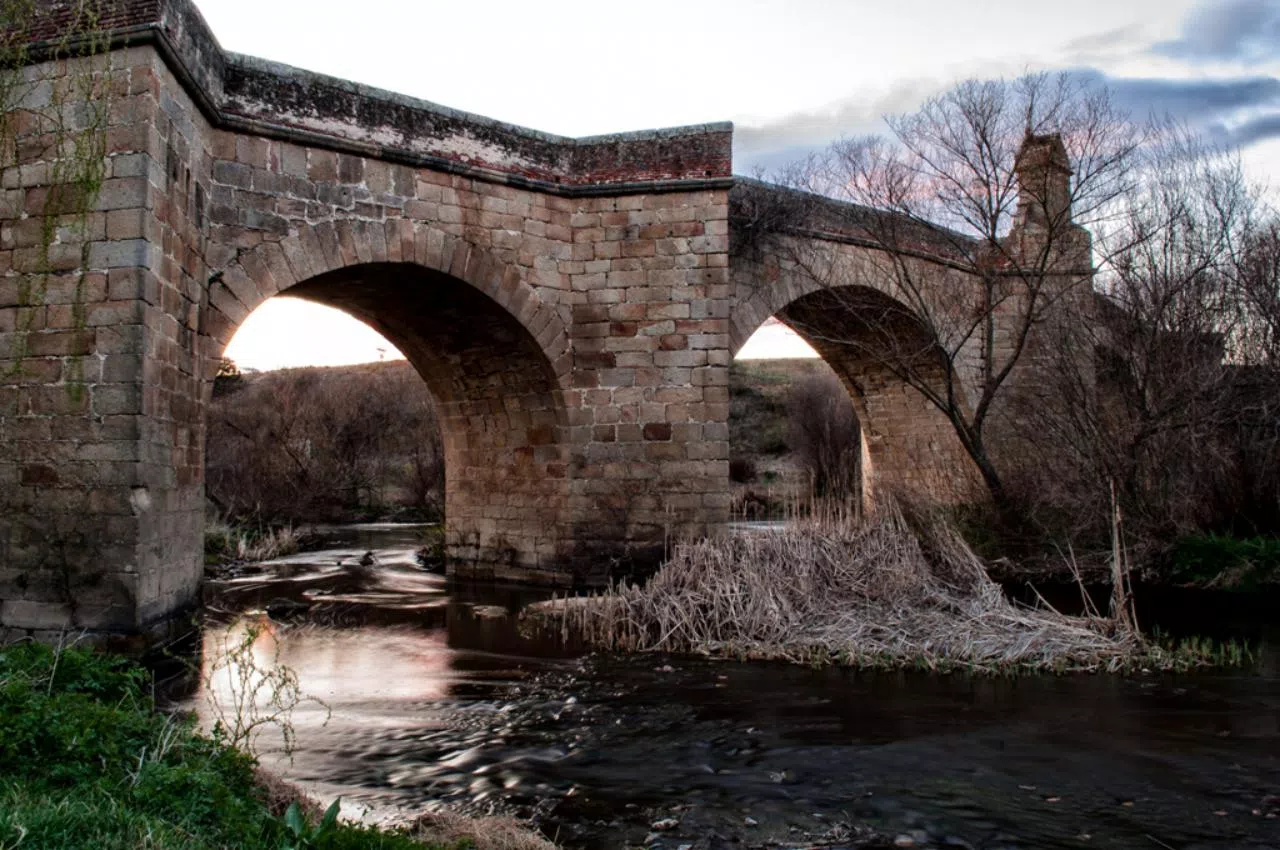
Galisteo is a locality situated 90 kilometers from the capital of Cáceres, next to the Jerte River.
Its origins date back to Roman and Muslim times, although its great period of splendor was between 1229 and 1837, when it was the capital town of the Lordship of Galisteo, which included villages such as Pozuelo de Zarzón, Guijo de Galisteo, Montehermoso, and Carcaboso.
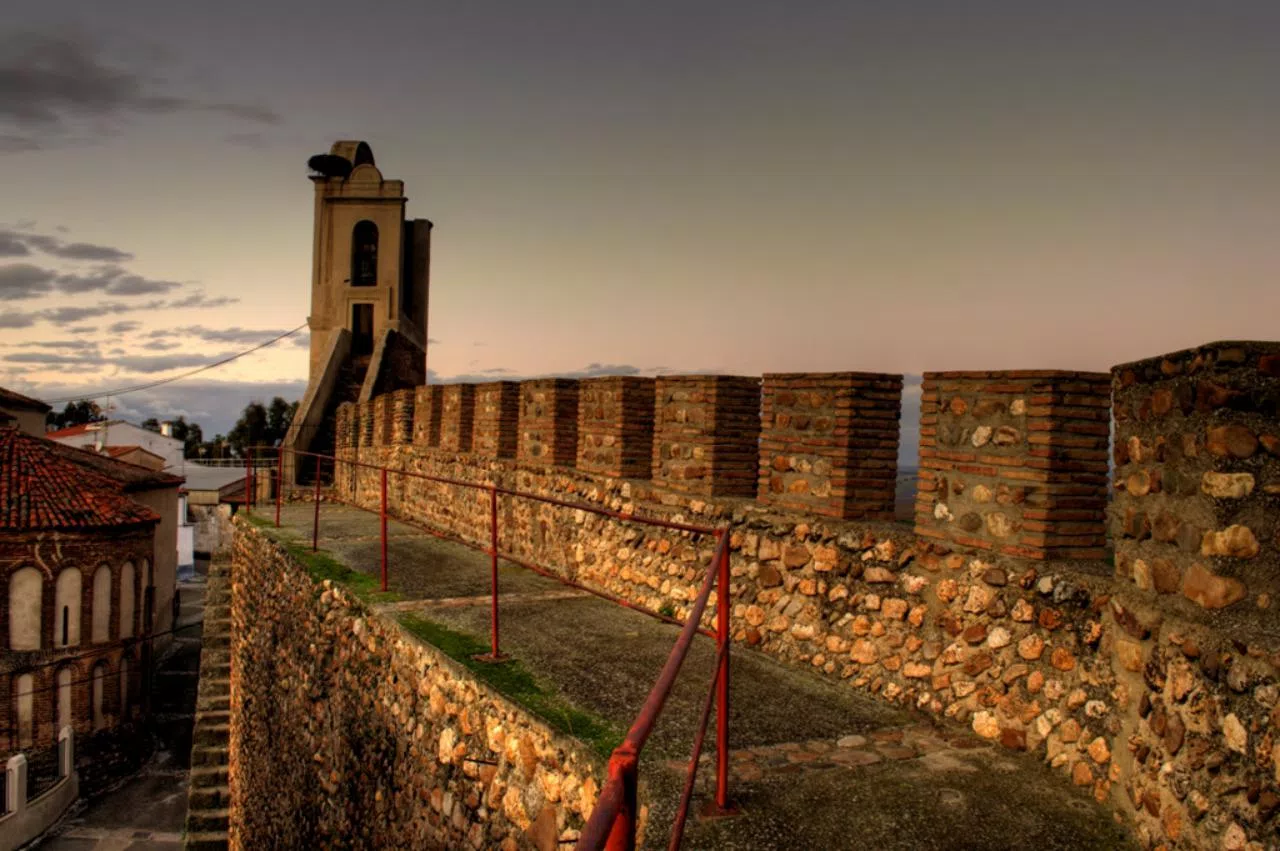
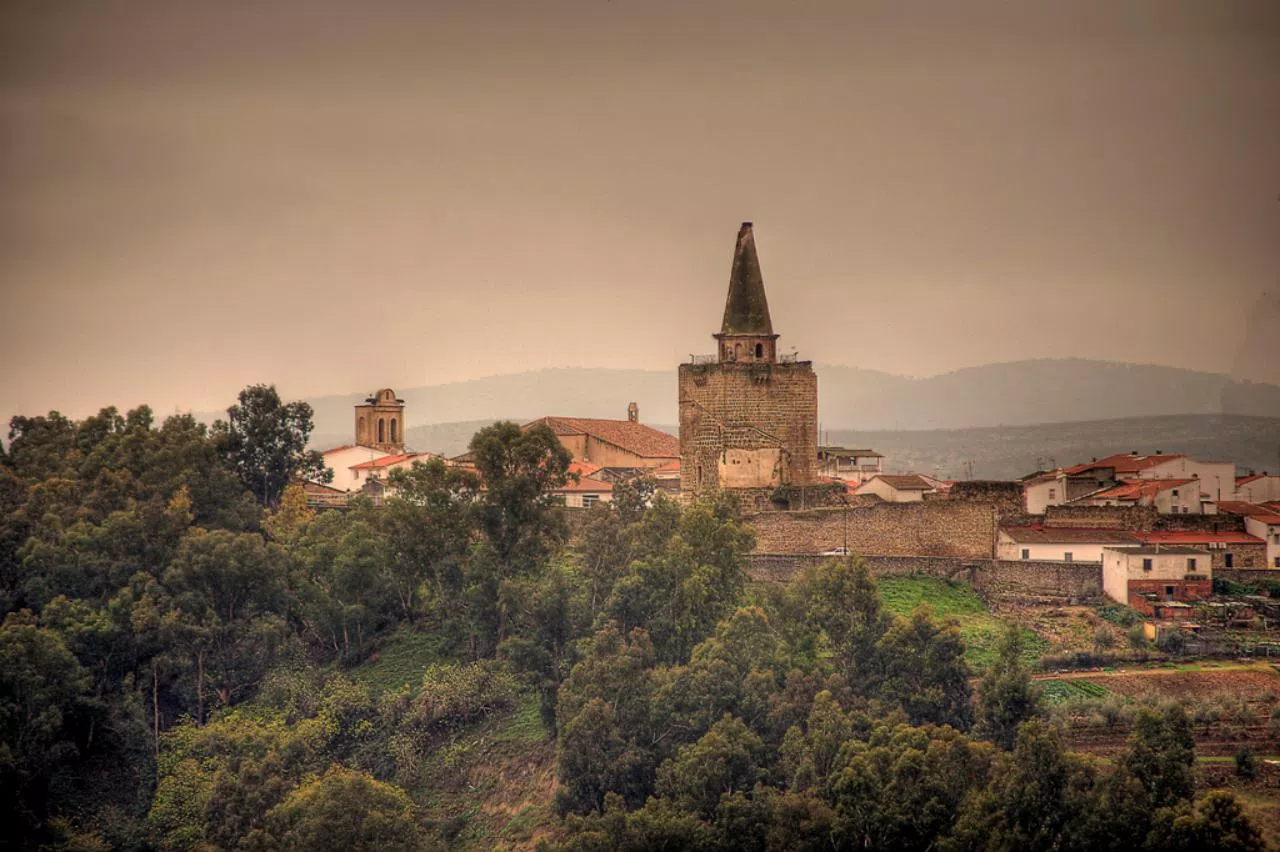
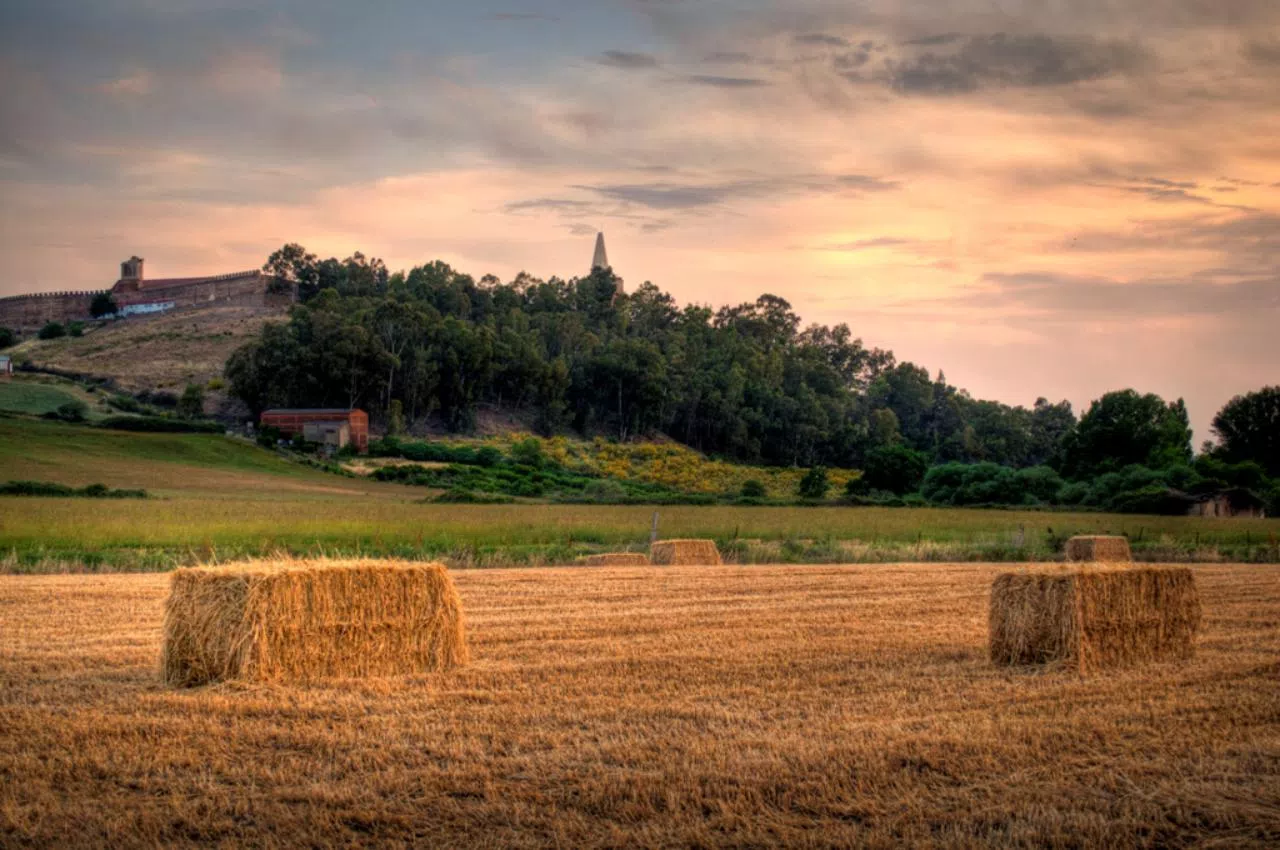
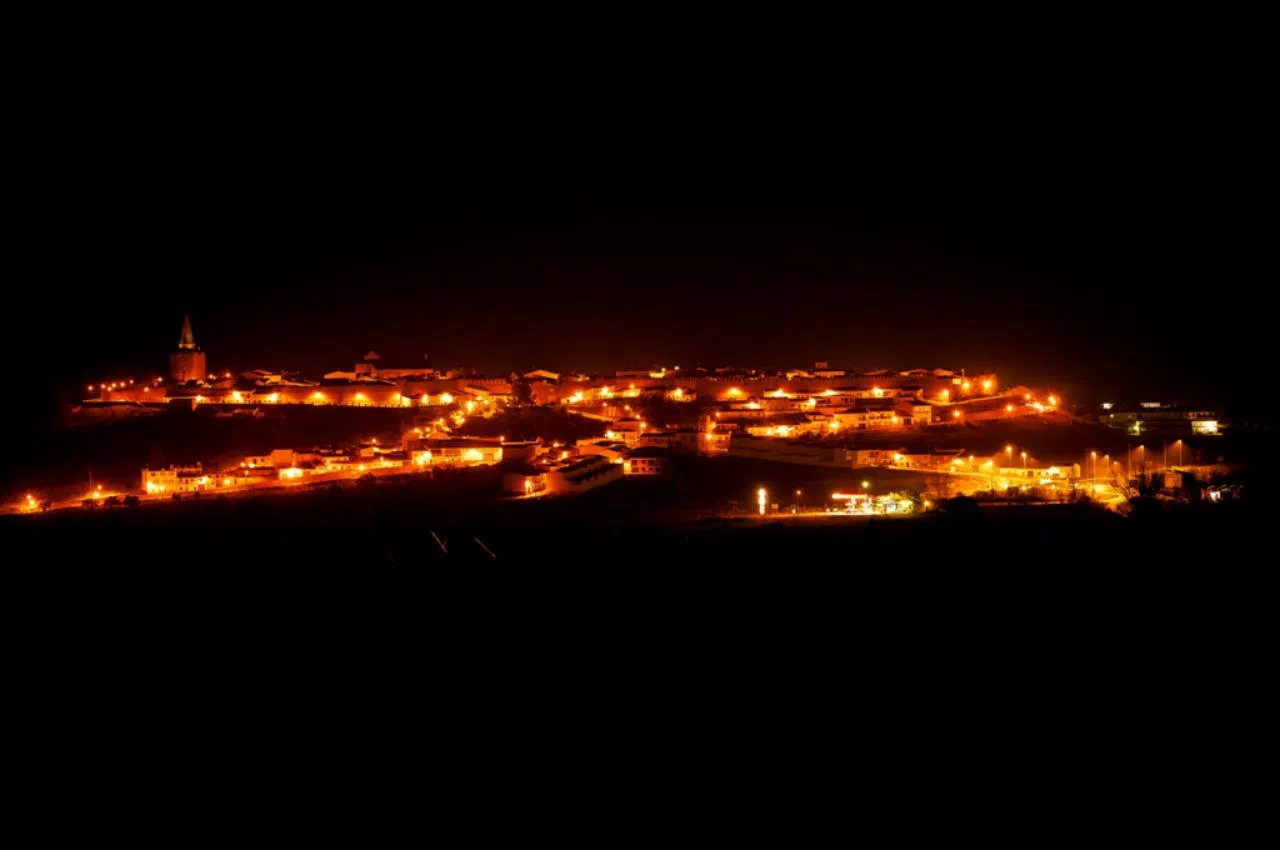
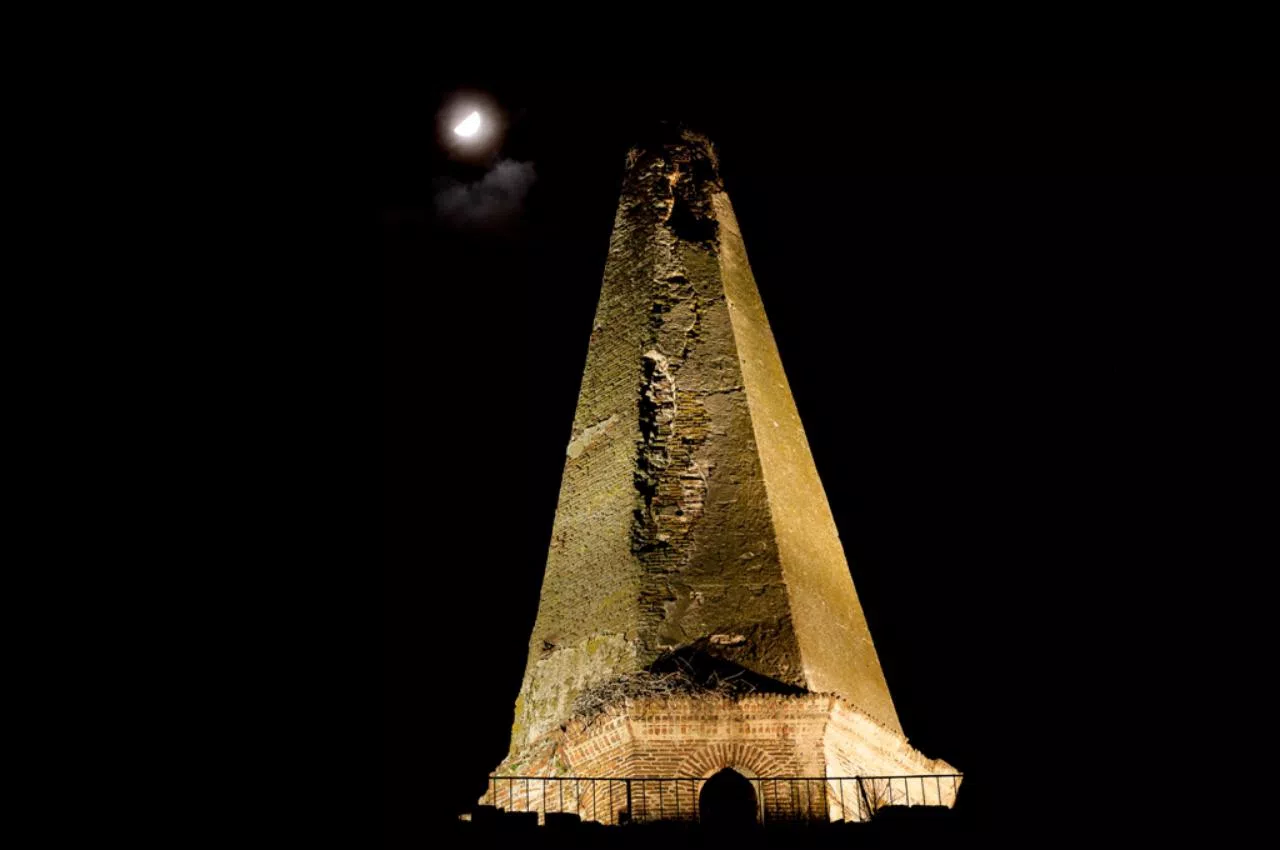
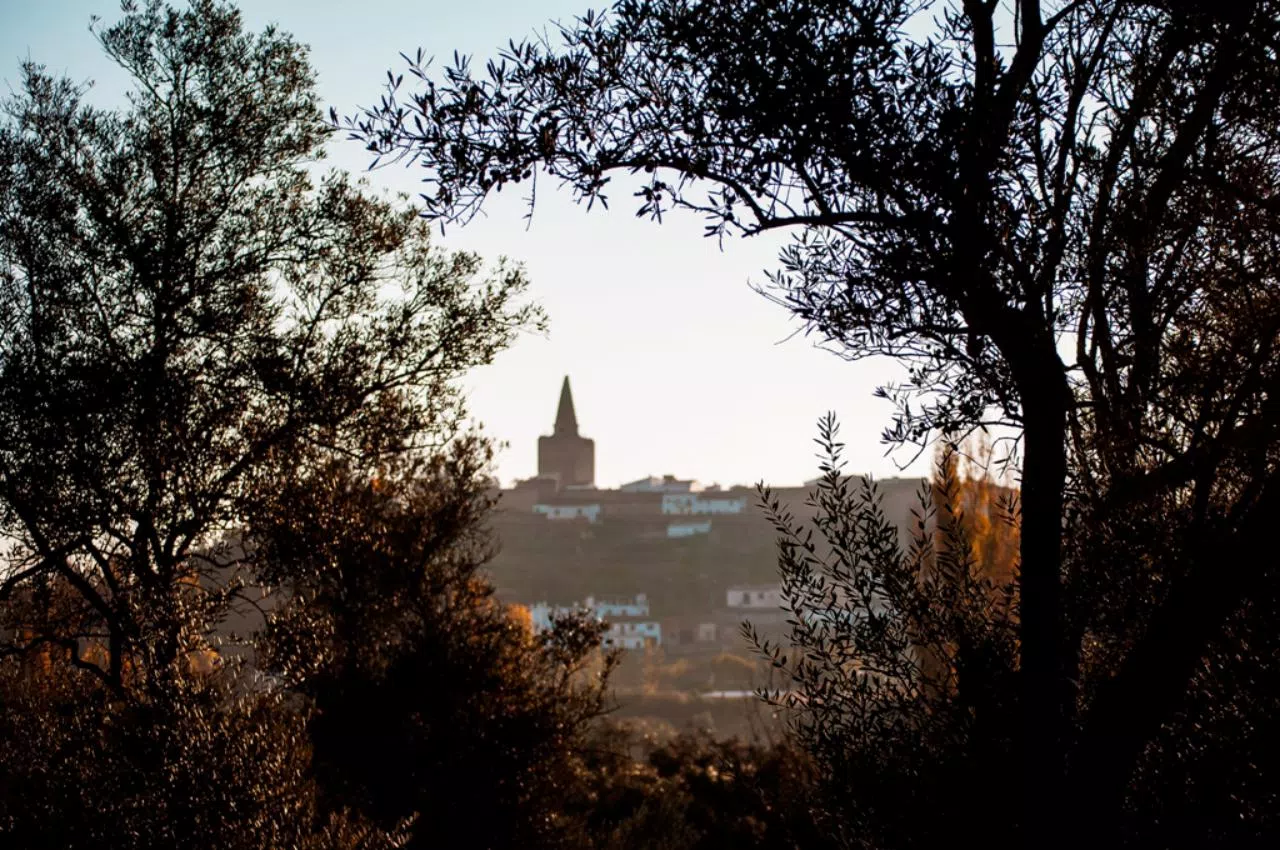
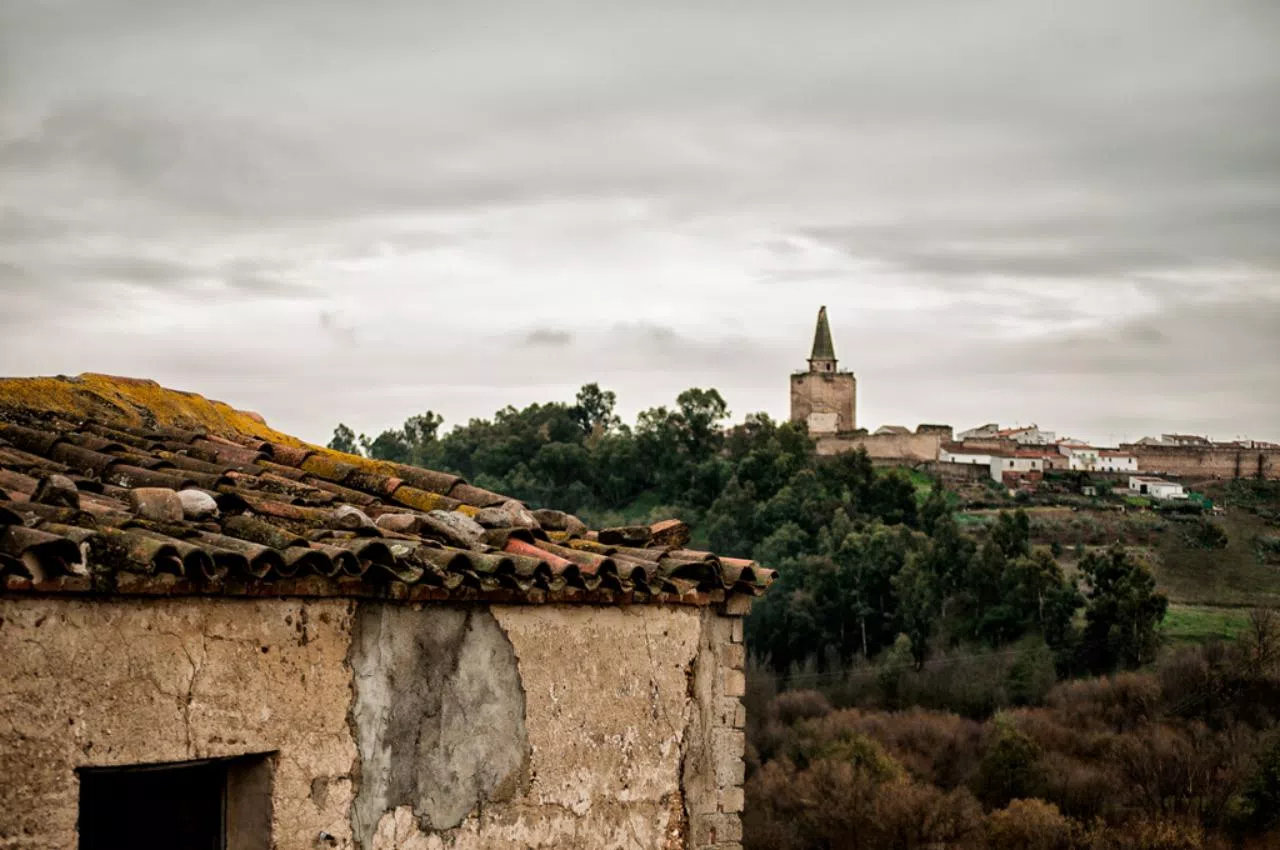
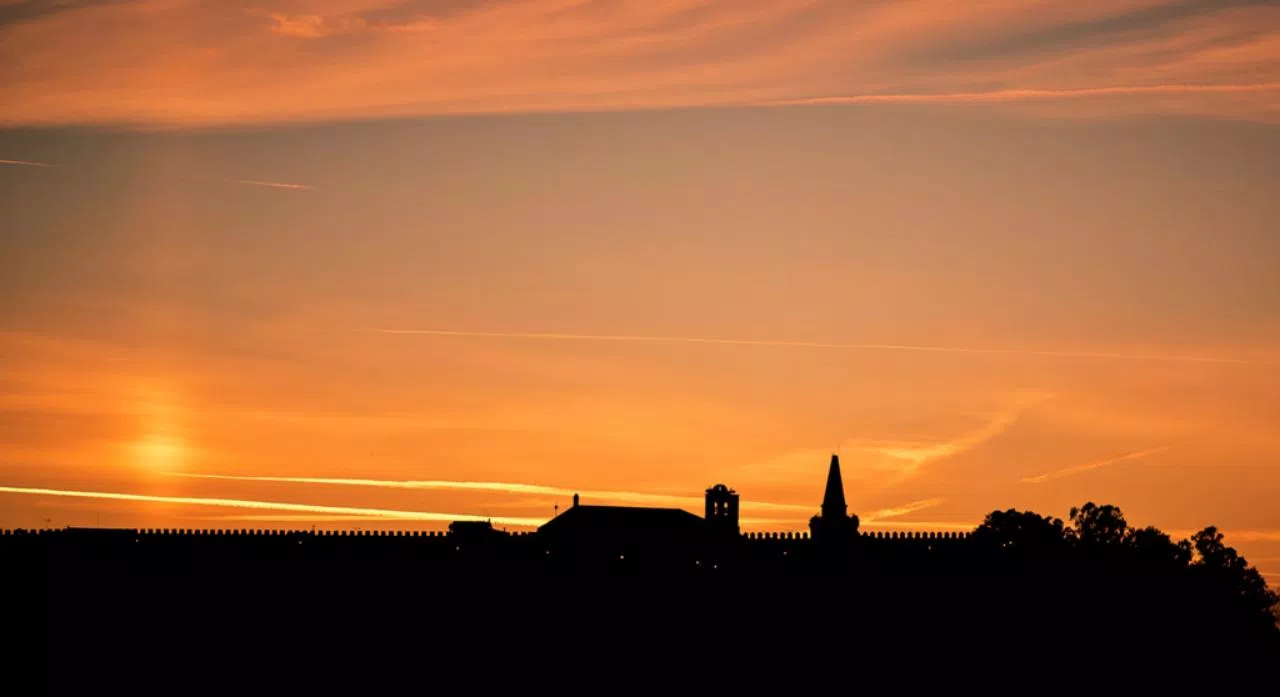
From its significant past, the Galisteo wall still stands, completely surrounding the old part of the town, next to which is the keep known as La Picota, considered the greatest symbol of the municipality.
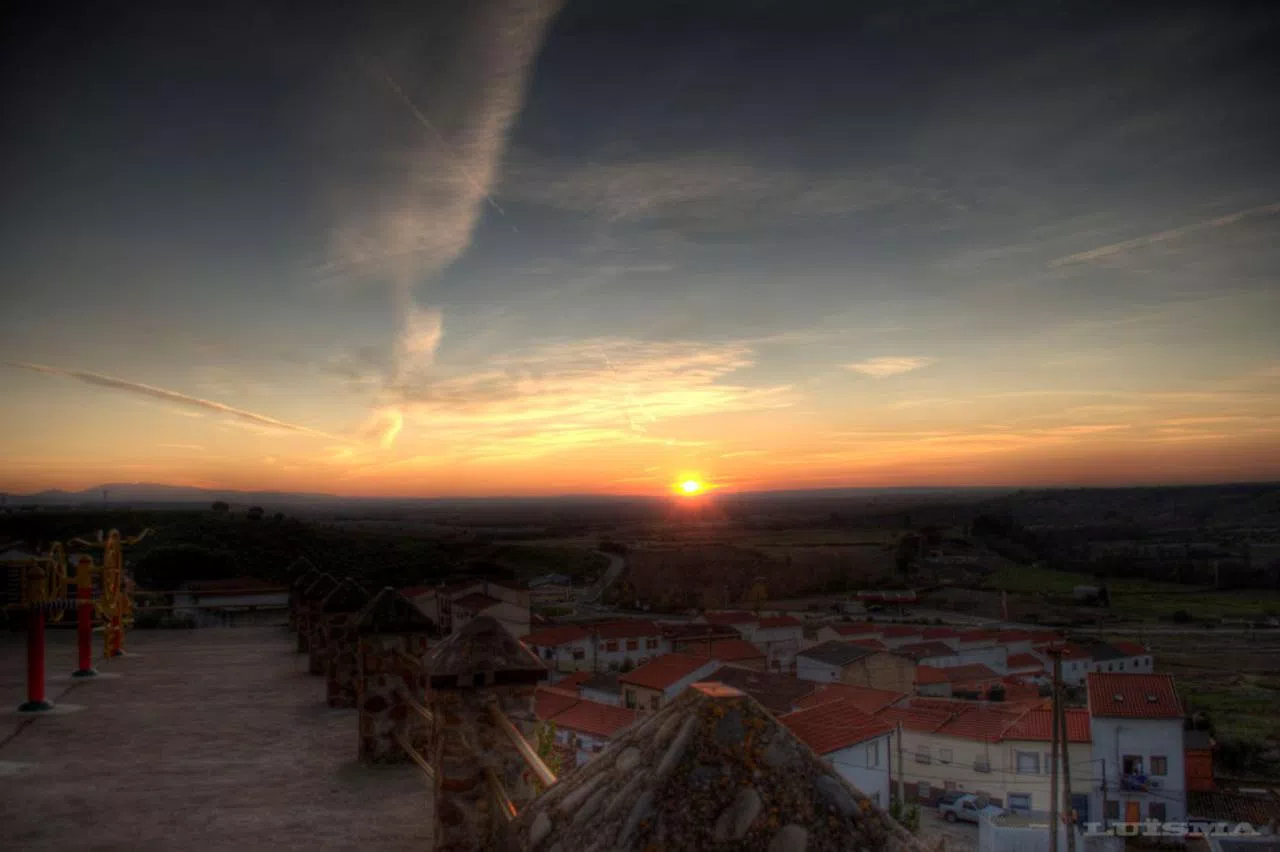
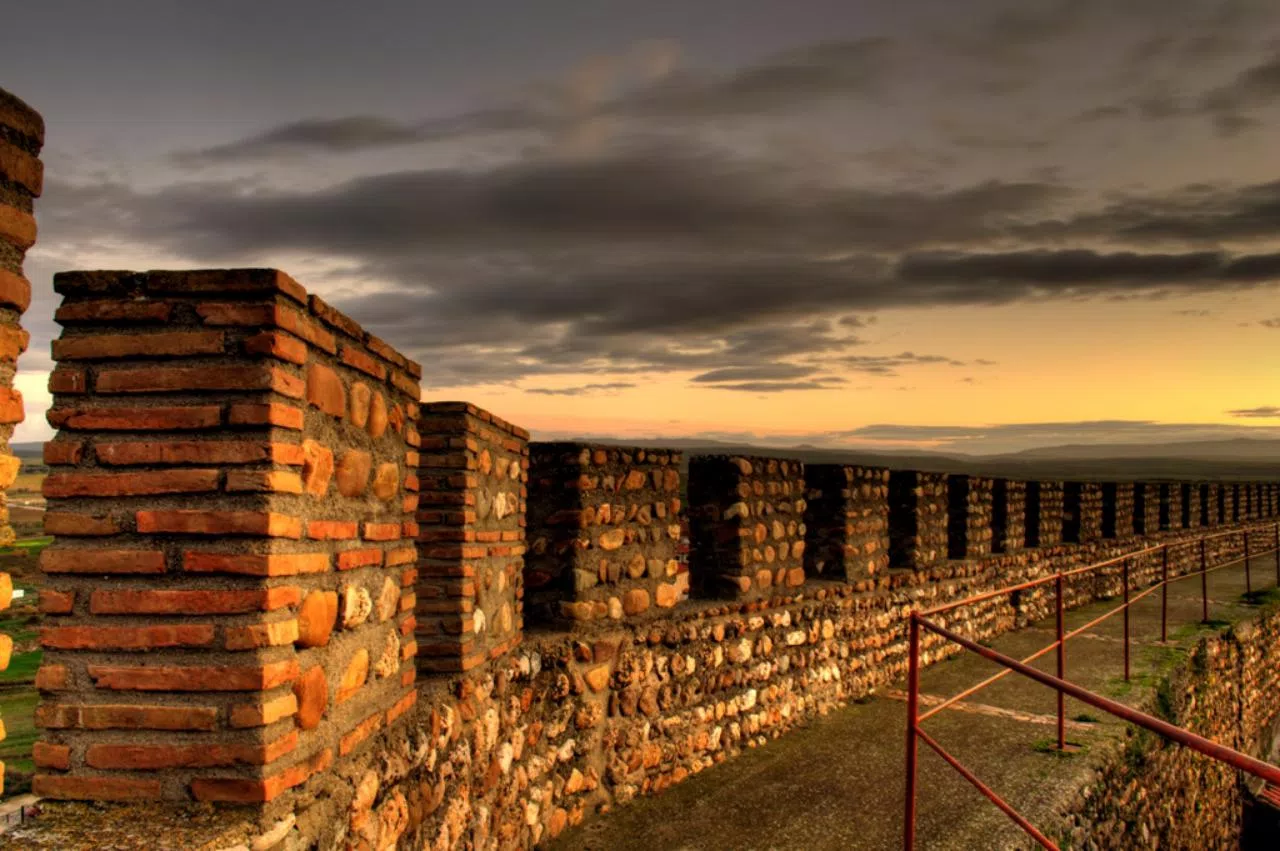
This population, belonging to the Alagón Valley, preserves a wall from the Almohad period built with river stones and pebbles. It is known for its good state of conservation and for a layout that remains intact, encircling the entire Historical Complex of Galisteo.
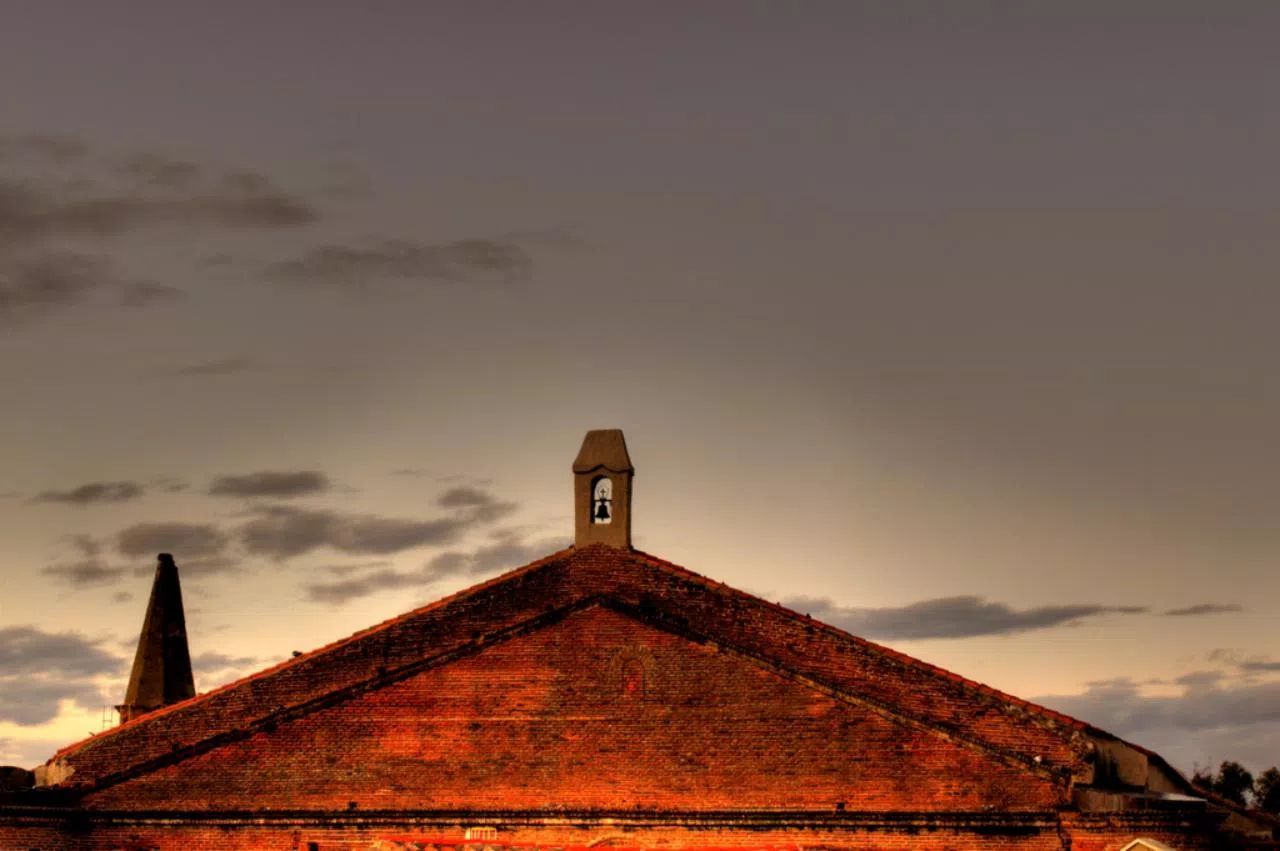
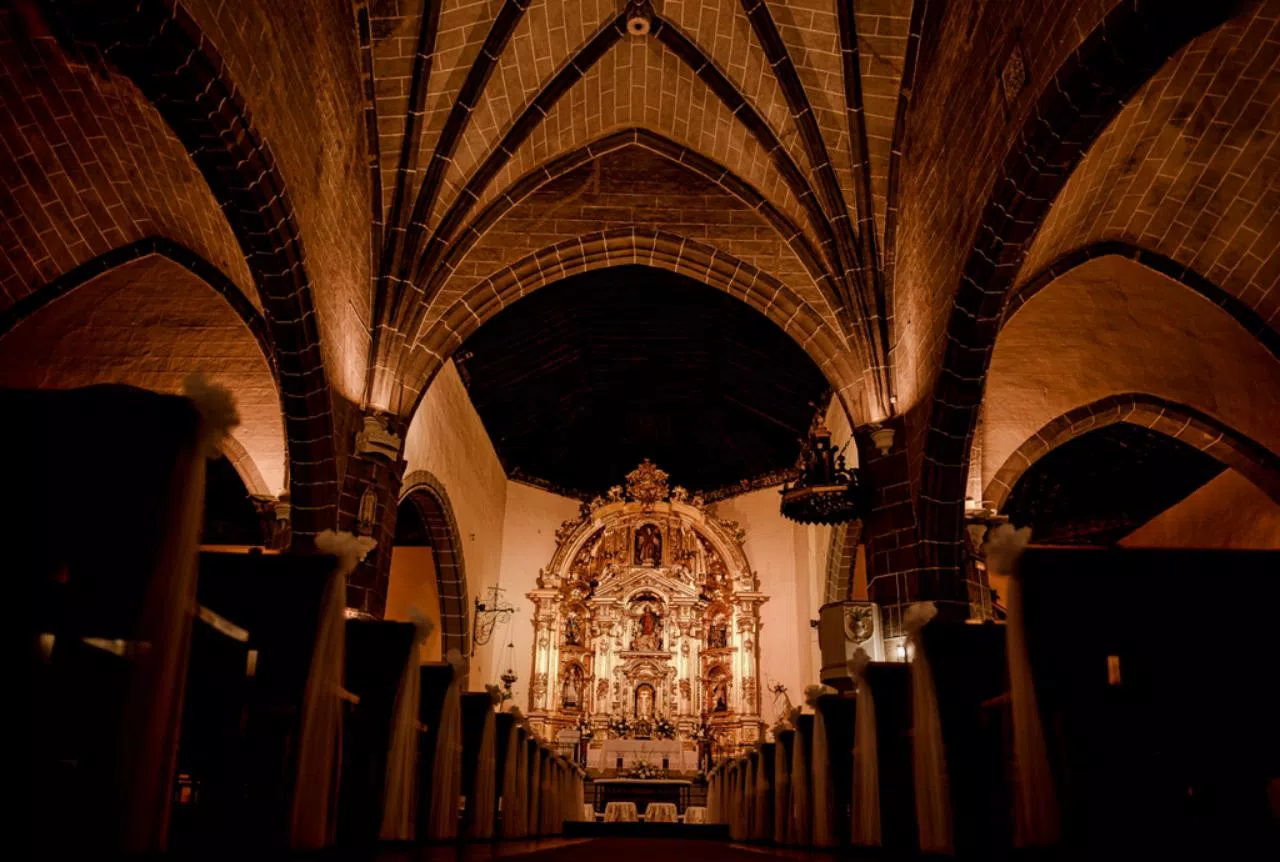
In fact, the vast majority of the houses in this municipality are within the wall. Inside the walls, we also find the Mudejar apse belonging to the Church of Our Lady of the Assumption, built in the 13th century, following the Mudejar Romanesque schemes of Castile and León. Its apse is formed by two superimposed bodies of blind brick arches. The nave of this church was renovated in the 16th century.
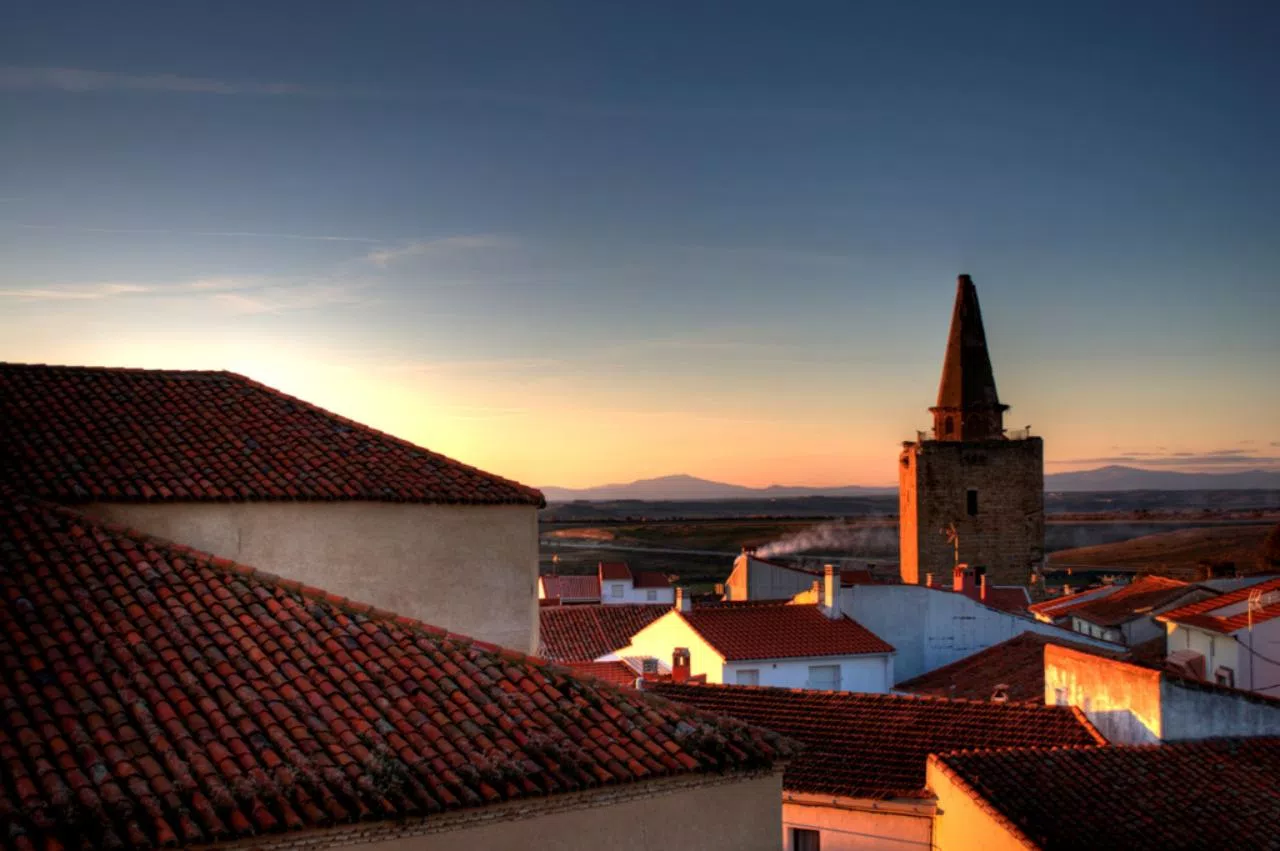
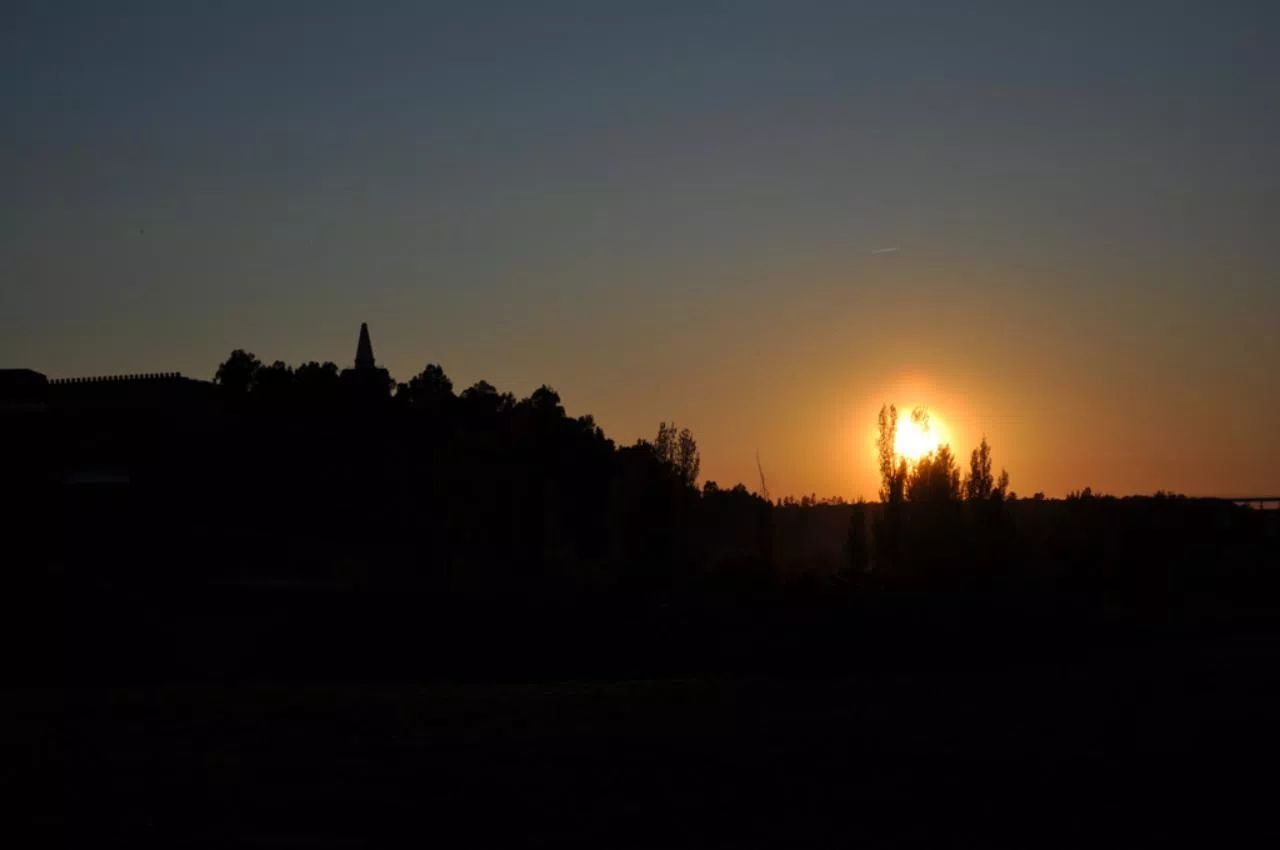
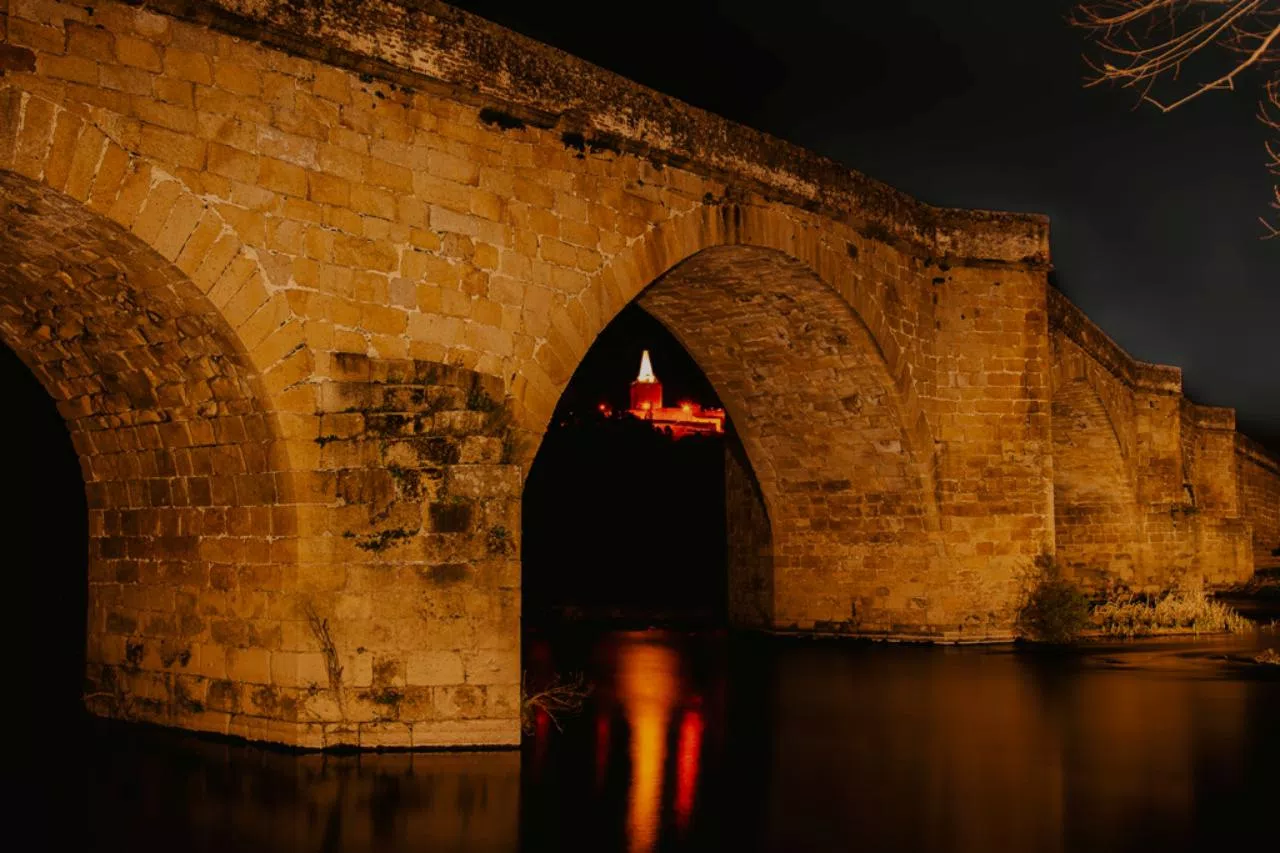
A must-visit is also the Picota Tower. It is the keep of the fortification that the Christians built in the 14th century as part of the palace over the Almohad fortress. It is named for its sharp octagonal-based pyramid top.
Alongside locals and tourists, it is common to see pilgrims in its surroundings, as the Vía de la Plata crosses through Galisteo on its Mozarabic Way to Santiago de Compostela.
In 1991, the municipality was declared a Site of Cultural Interest with the category of Historical Complex.


